Introduction
Many parents and teachers wonder how to help children succeed academically. Often, physical activity and sports seem secondary to academic programs. However, studies show that regular physical exercise is not only beneficial for health but also plays a significant role in developing cognitive abilities and improving school performance. Let’s explore how sports can impact academic success and why it is essential for a child’s overall development.
Physical Activity and Cognitive Functions
When a child engages in sports, their body becomes oxygenated, blood circulates better, and the brain receives the necessary nutrients for optimal functioning. Physical activity stimulates the production of chemicals like endorphins, dopamine, and serotonin, which improve mood, reduce stress, and enhance focus.
Additionally, regular physical exercise enhances neuroplasticity — the brain’s ability to adapt and form new neural connections. This is crucial for learning, as neuroplasticity helps children absorb new knowledge, improve memory, and enhance problem-solving skills.
Improved Concentration and Memory
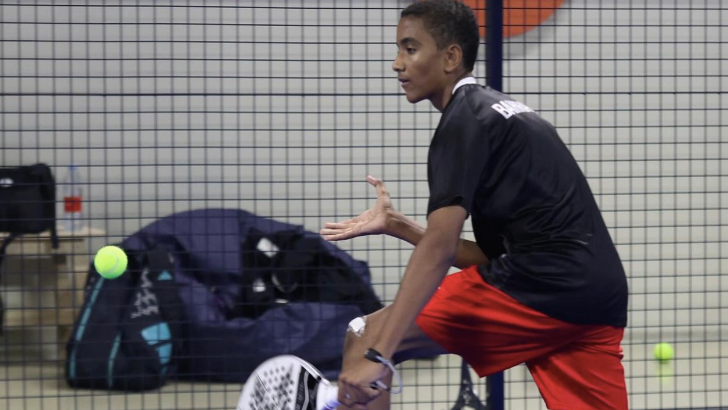
One of the key areas where sports positively impact children is their ability to concentrate on studies and stay focused on tasks. Children who regularly engage in physical activity find it easier to concentrate, react faster, and are less easily distracted. This is especially important in classes requiring sustained focus, such as math or reading.
Furthermore, sports activities that require remembering movements or strategies positively influence memory. When a child remembers which movements to perform in a specific sequence, it strengthens their ability to retain information in other areas, including academics.
Sports as a Means of Stress Relief
The learning process is often associated with worries, exam stress, and knowledge assessments. Physical activity helps reduce stress, improving a child’s overall emotional well-being. When a child participates in sports, their body produces endorphins, the “happiness hormones,” which help manage anxiety and tension. As a result, children can better absorb academic material as they are less distracted by worries and can remain more focused.
Development of Problem-Solving and Analytical Skills
Sports activities also promote the development of analytical thinking and problem-solving skills. For example, team sports teach children to make quick decisions, analyze situations, and work with strategies. These skills carry over into academics, particularly in subjects where they need to analyze, compare facts, and draw conclusions. Thus, sports help develop strategic thinking, which is useful both on the field and in the classroom.

Increased Confidence and Motivation for Learning
Regular sports participation helps children feel more confident in their abilities. When a child achieves success in sports — whether it’s winning a competition or improving personal results — it boosts their self-esteem and gives them confidence. Such children approach academics with more assurance, are less afraid of making mistakes, and see challenges as opportunities to grow. This increases their motivation to learn and succeed in school.
How Sports Support the Mission of the School Sport Foundation
Sports are closely linked to the mission of the School Sport Foundation, which strives to provide children with access to physical activity that supports their overall development. SSF views sports as a key element in education, helping to develop not only children’s physical but also their cognitive abilities. Through regular physical activity, children improve their health, enhance concentration and memory, and learn to set goals and overcome obstacles. These skills positively impact their academic achievements and foster confidence, essential for harmonious personal growth.
Conclusion
Sports are not just a way to maintain health, they are also a crucial tool for children’s mental and psychological development. Physical activity improves brain function, helps children concentrate better, reduces stress, and builds self-confidence. As a result, children who actively participate in sports perform better academically and feel successful both on the sports field and in the classroom. Therefore, sports and academics go hand in hand, creating balanced and holistic development for every child.